
Kinds and uses
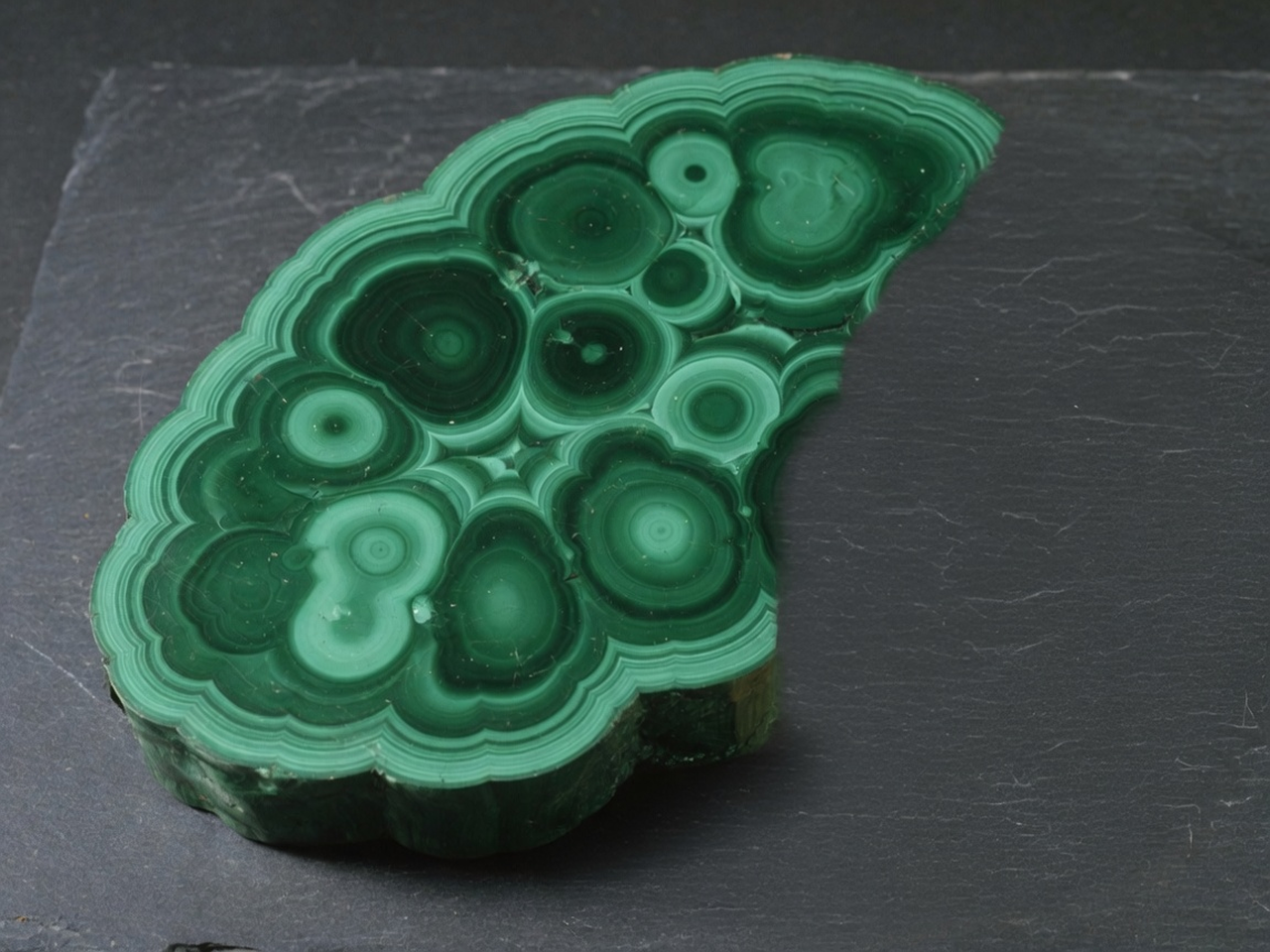
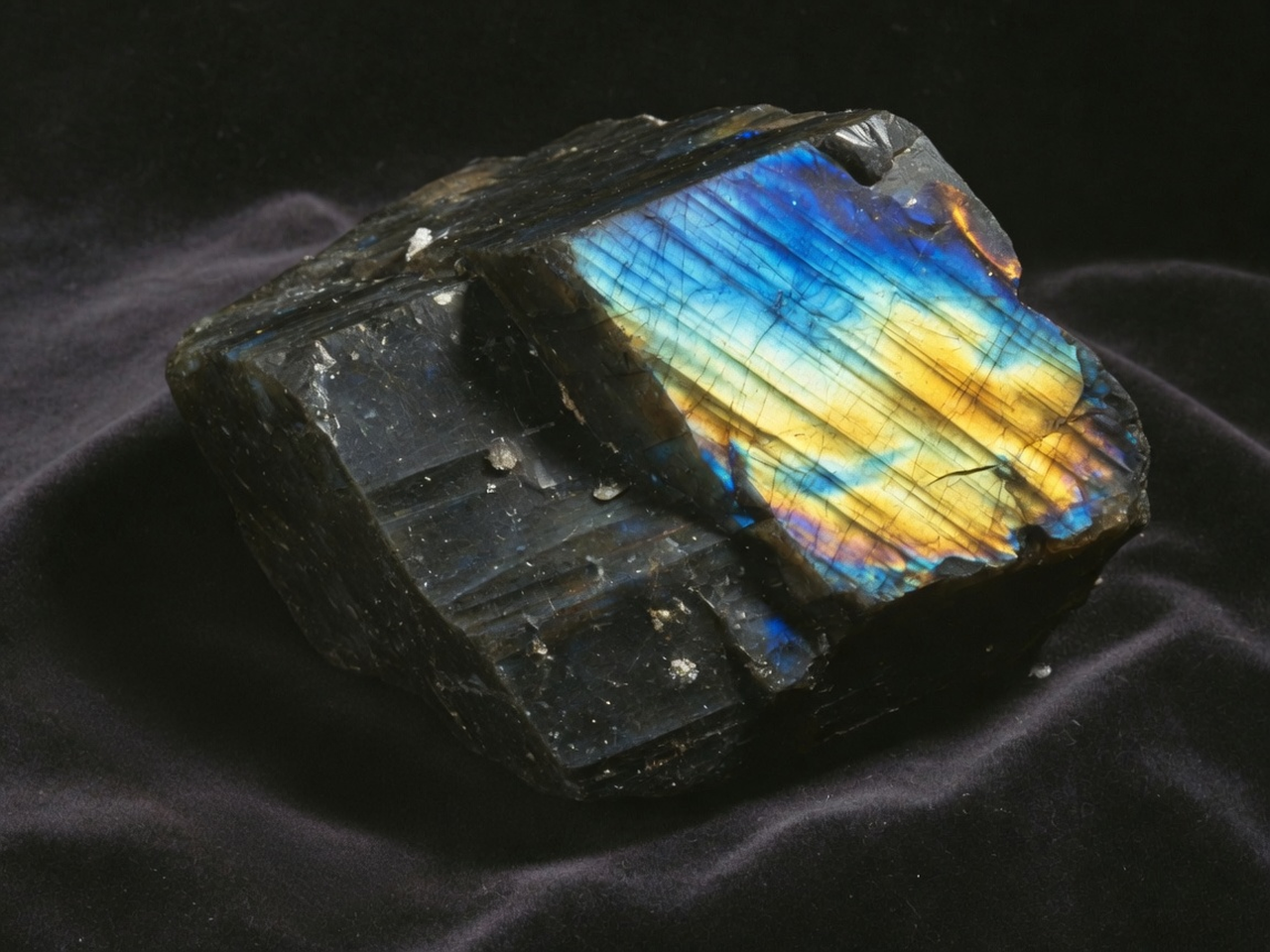
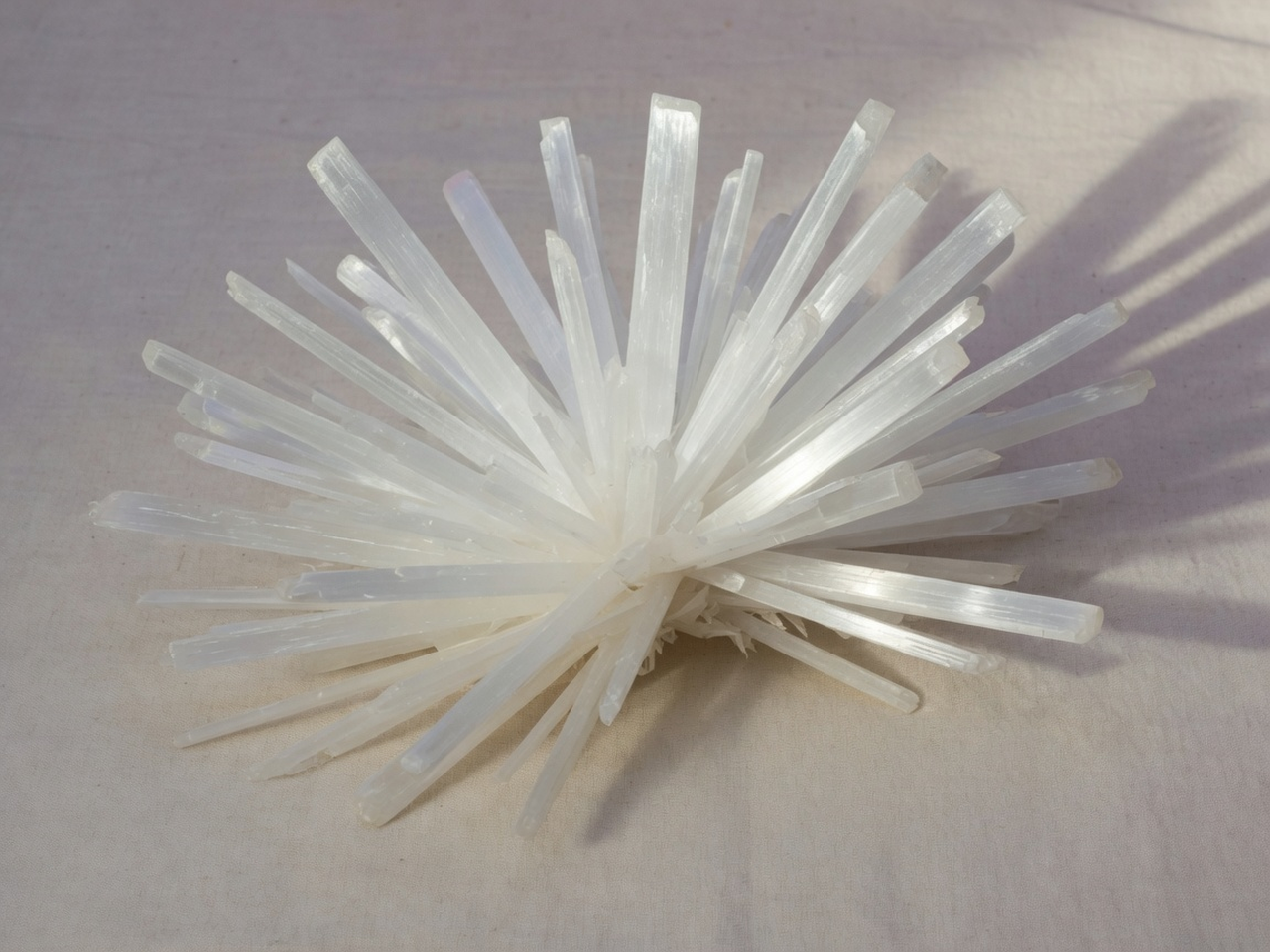
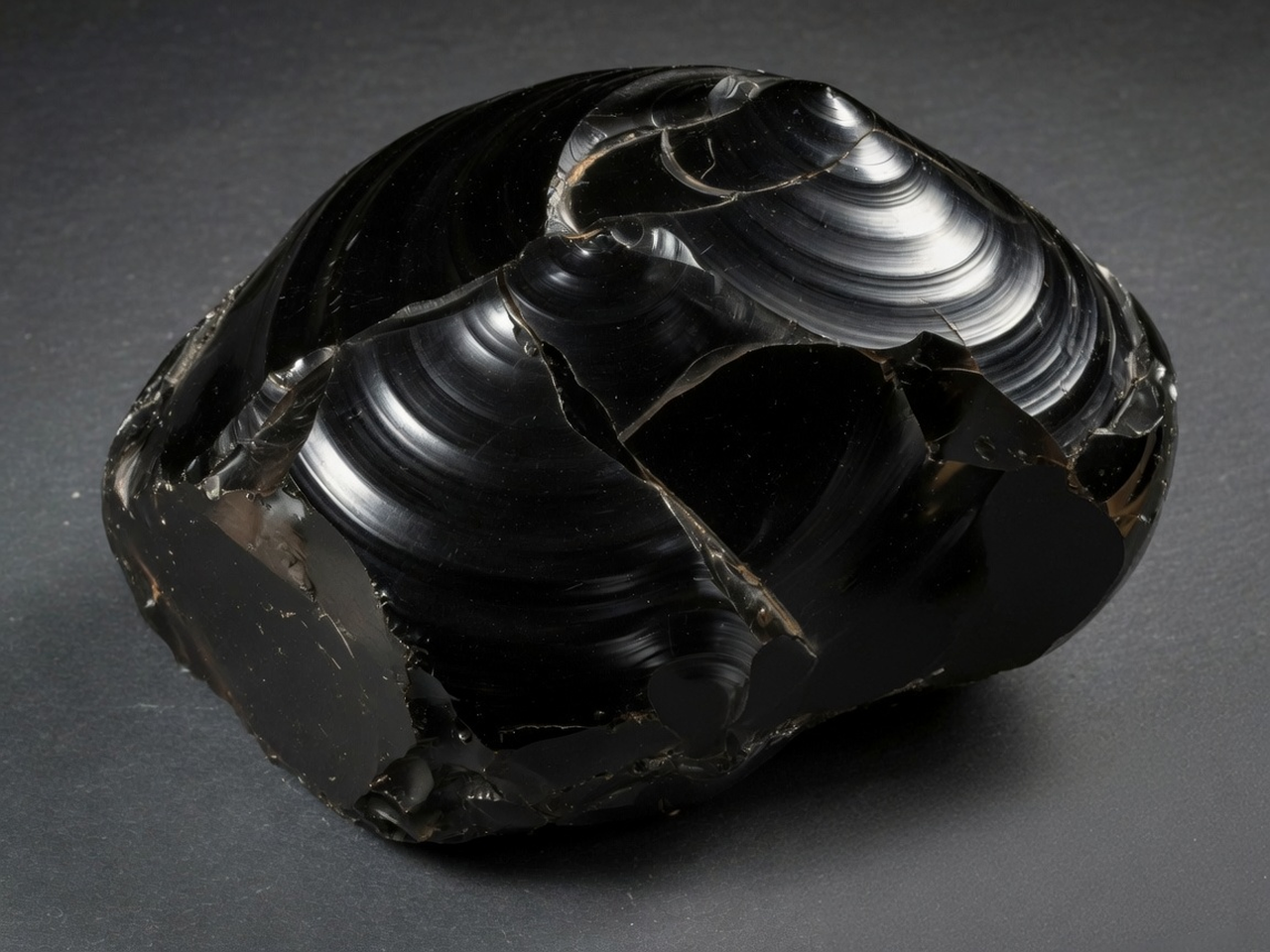
How to read a stone
Habit, hardness, then the species page
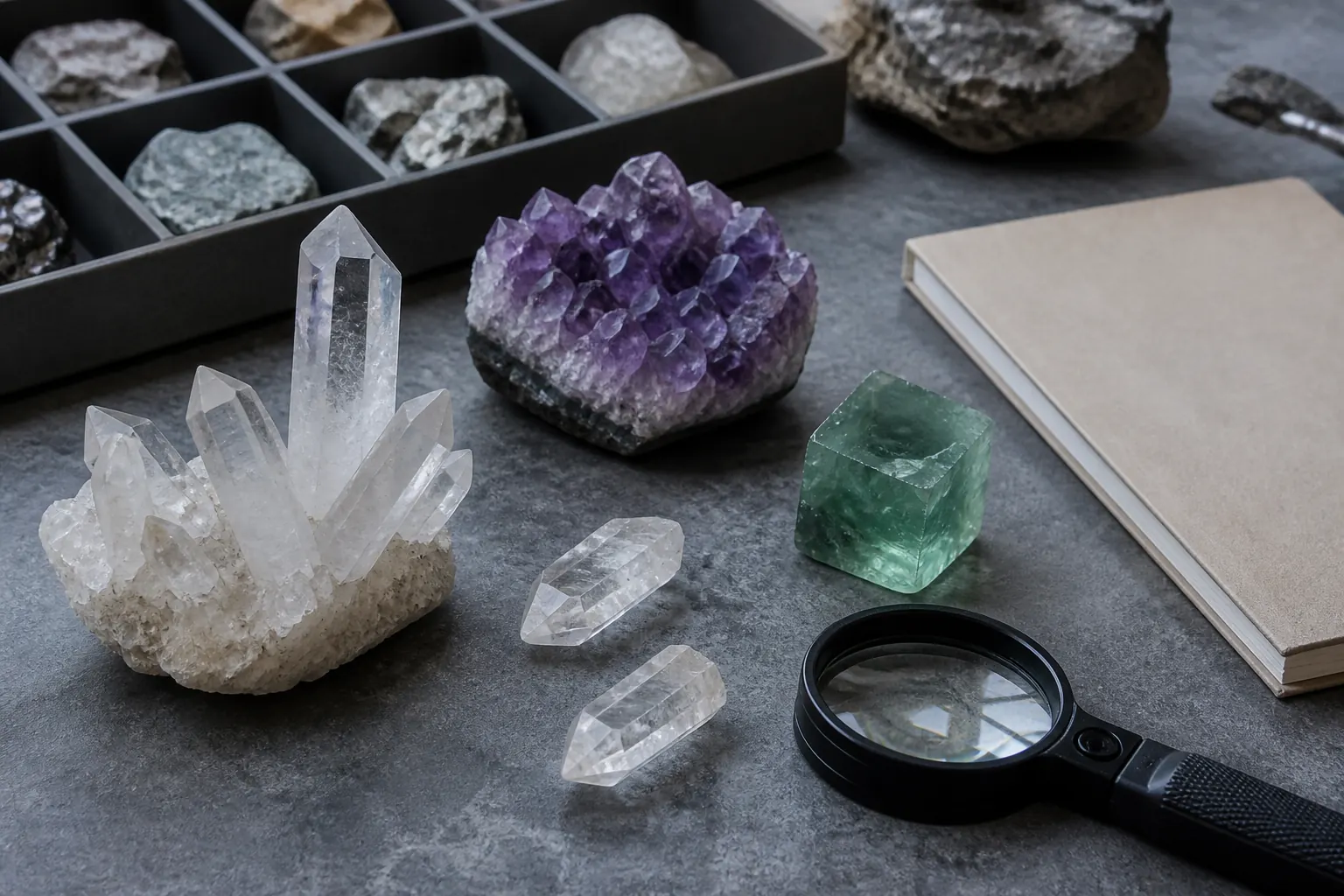
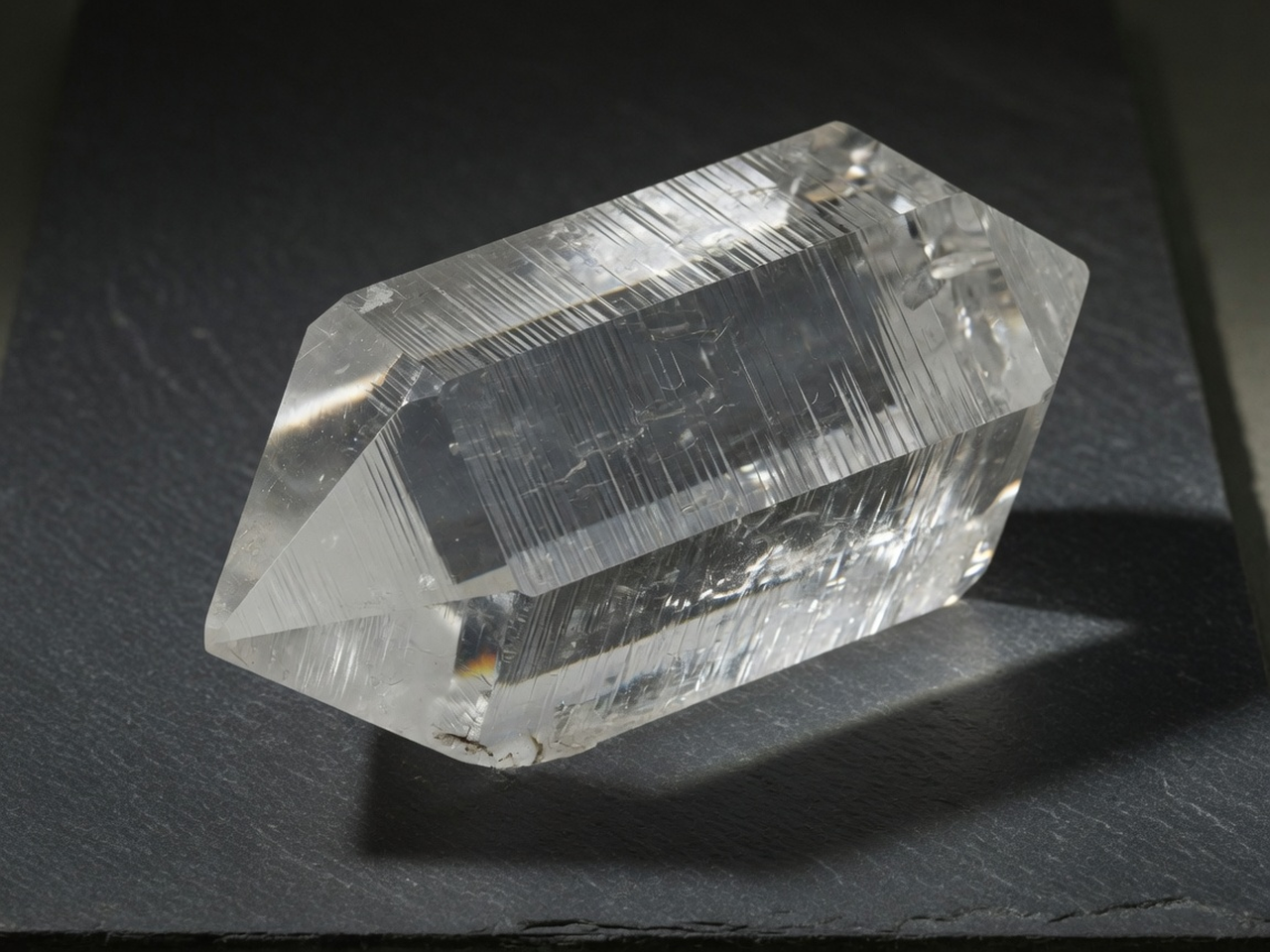
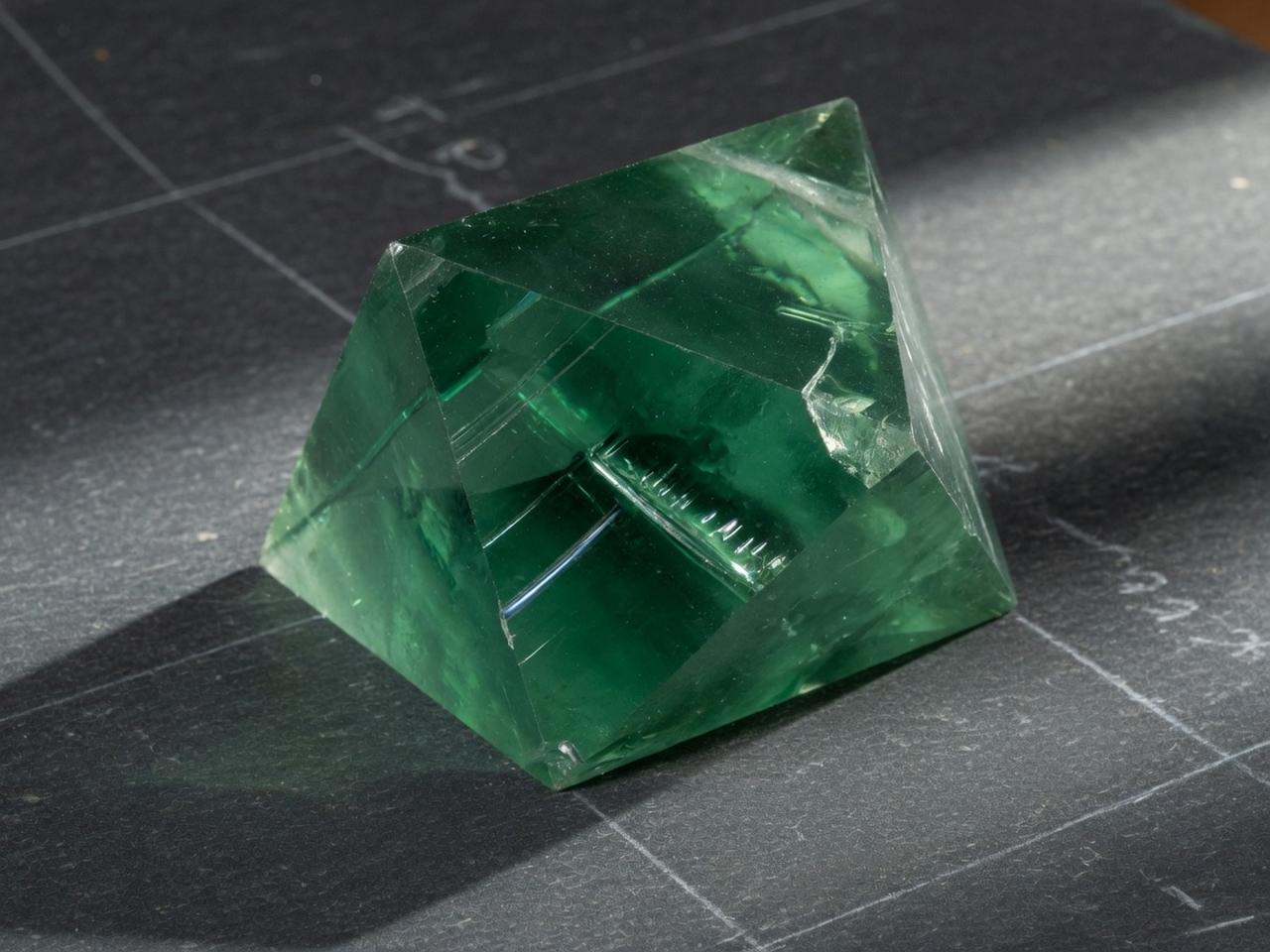
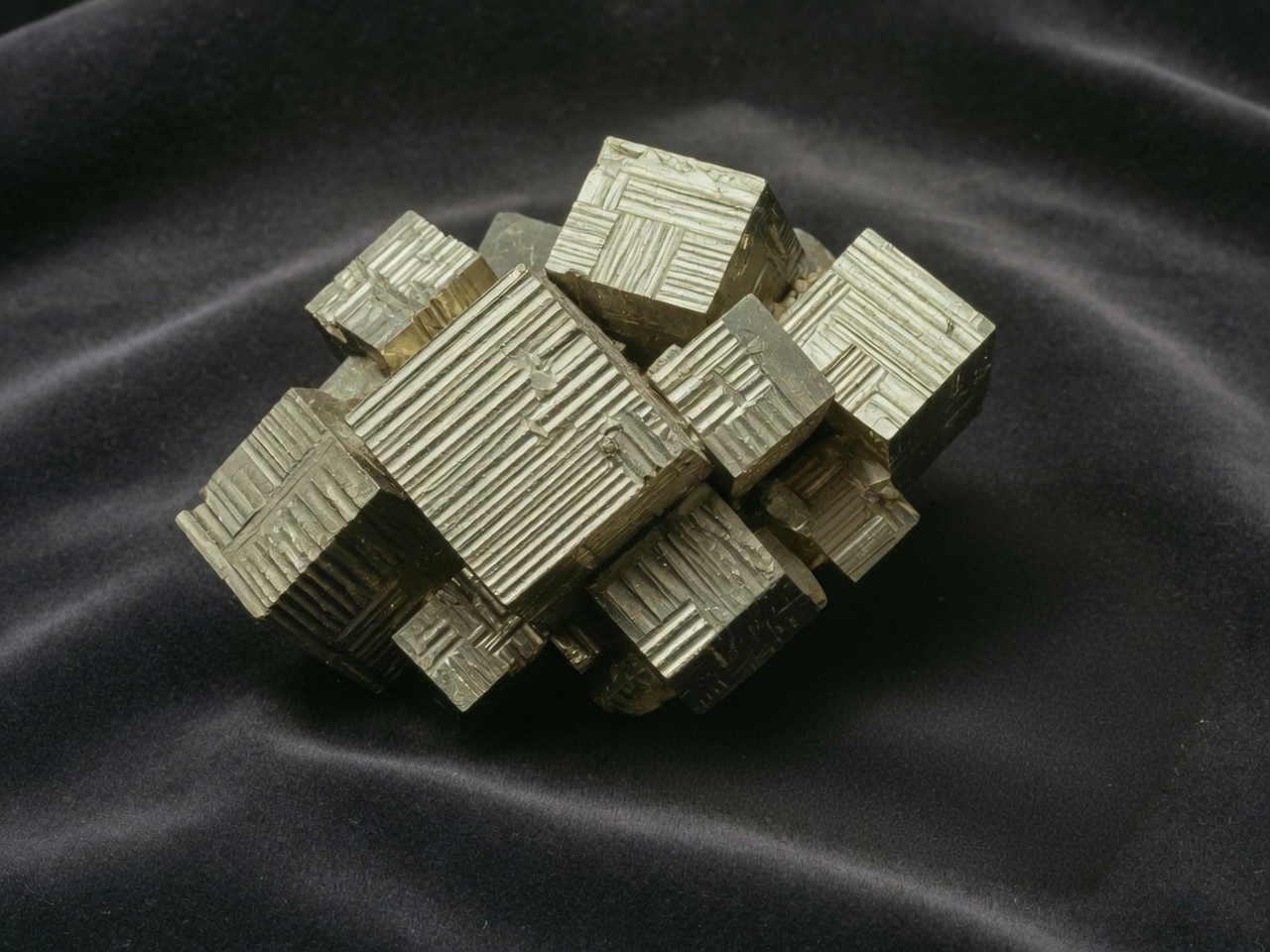
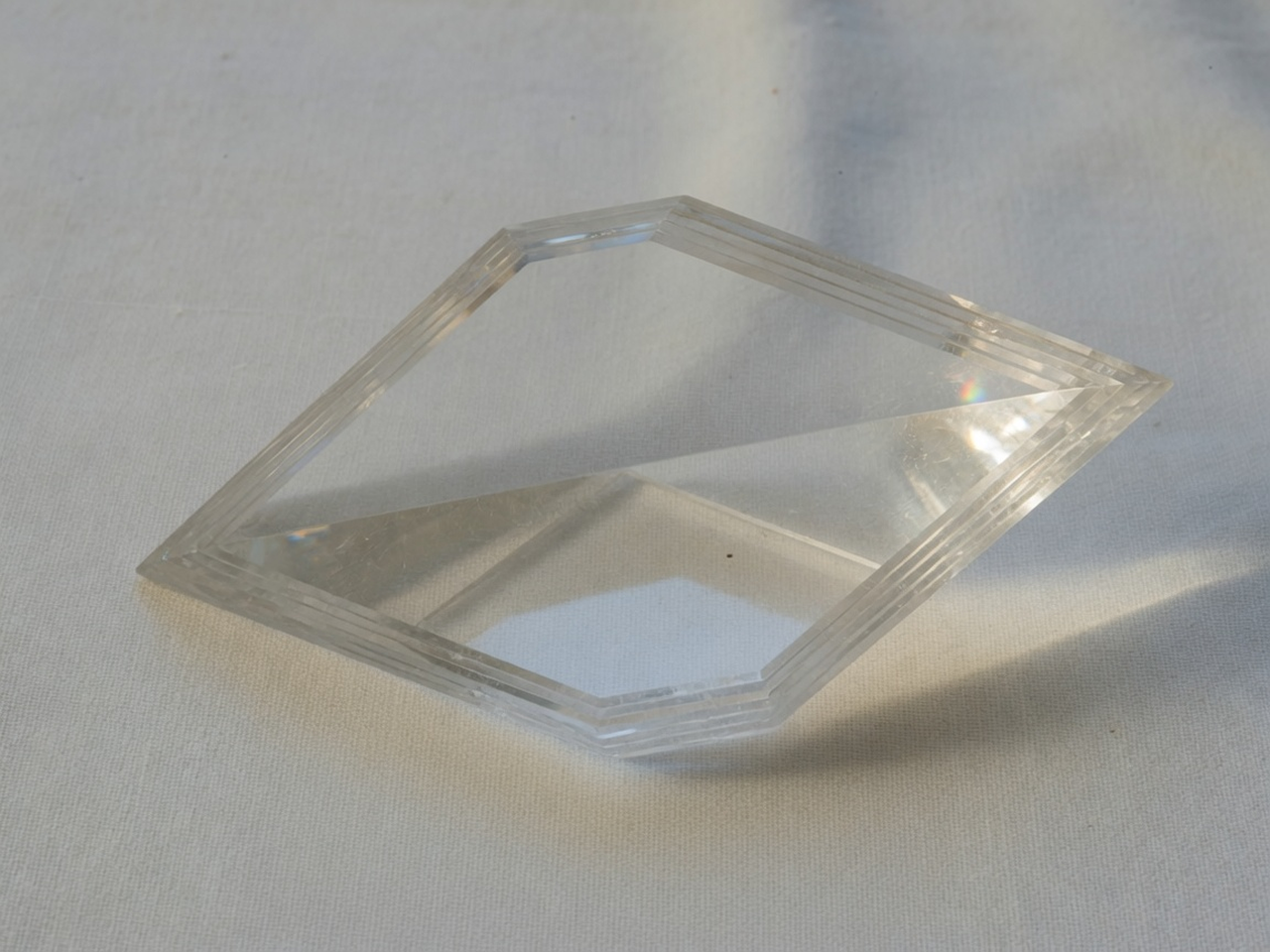
Start with shape. Quartz grows as a hexagonal prism with a pointed termination. Fluorite often presents as an octahedron. Pyrite as cubes. Calcite as rhombs that cleave into more rhombs. Obsidian shows conchoidal fracture and no crystal faces, because USGS describes it as volcanic glass that cooled too fast to order into a lattice.
Then hardness. Mohs 7 for quartz is the comparison stone in a pocket kit. A steel file will not scratch it. Fluorite at 4 will scratch with a knife. Calcite at 3 will scratch with a copper coin. Do not treat those numbers as jewelry grades. They are scratch tests on a fresh surface, the way the Handbook of Mineralogy species PDFs record them.
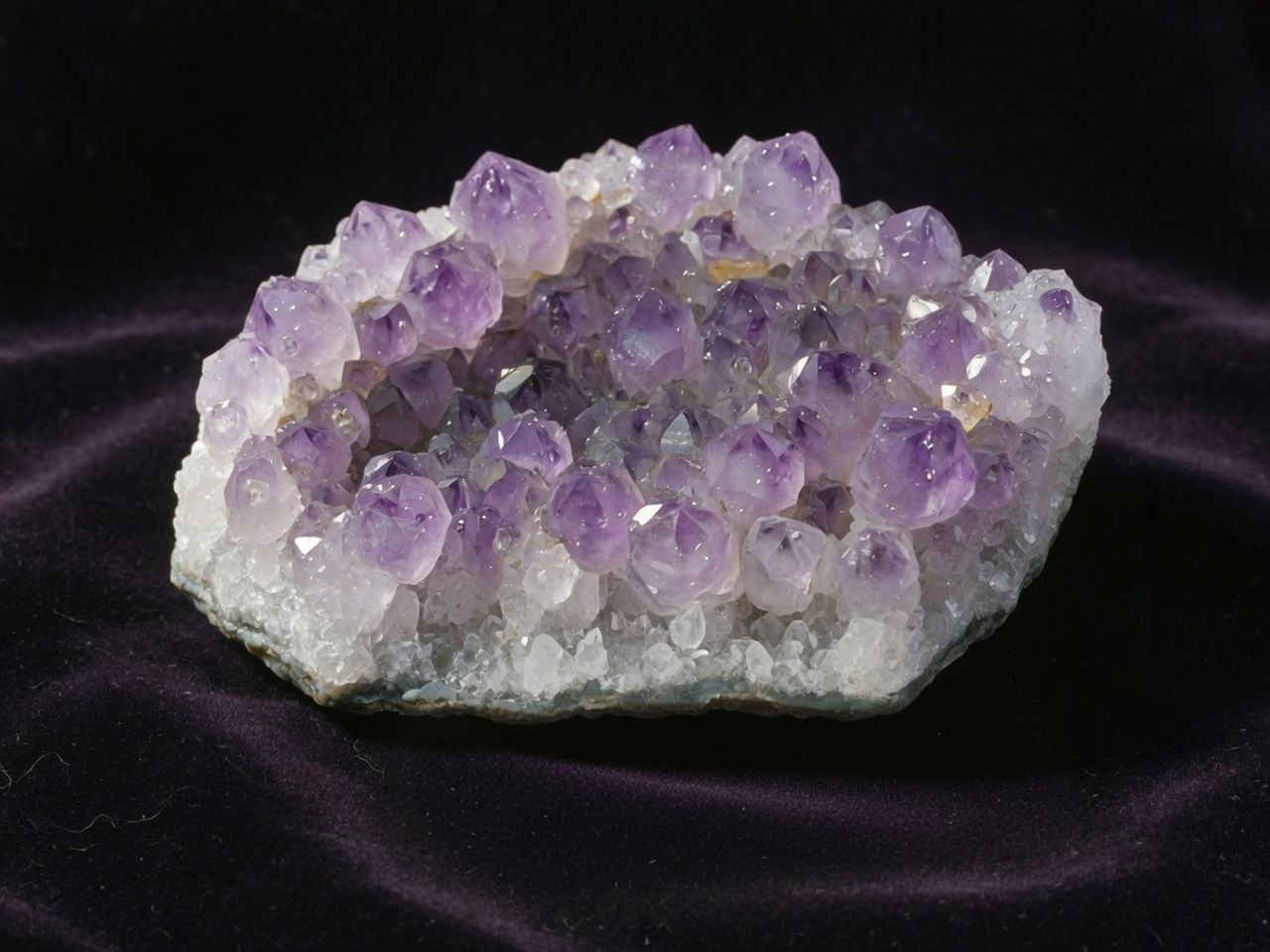
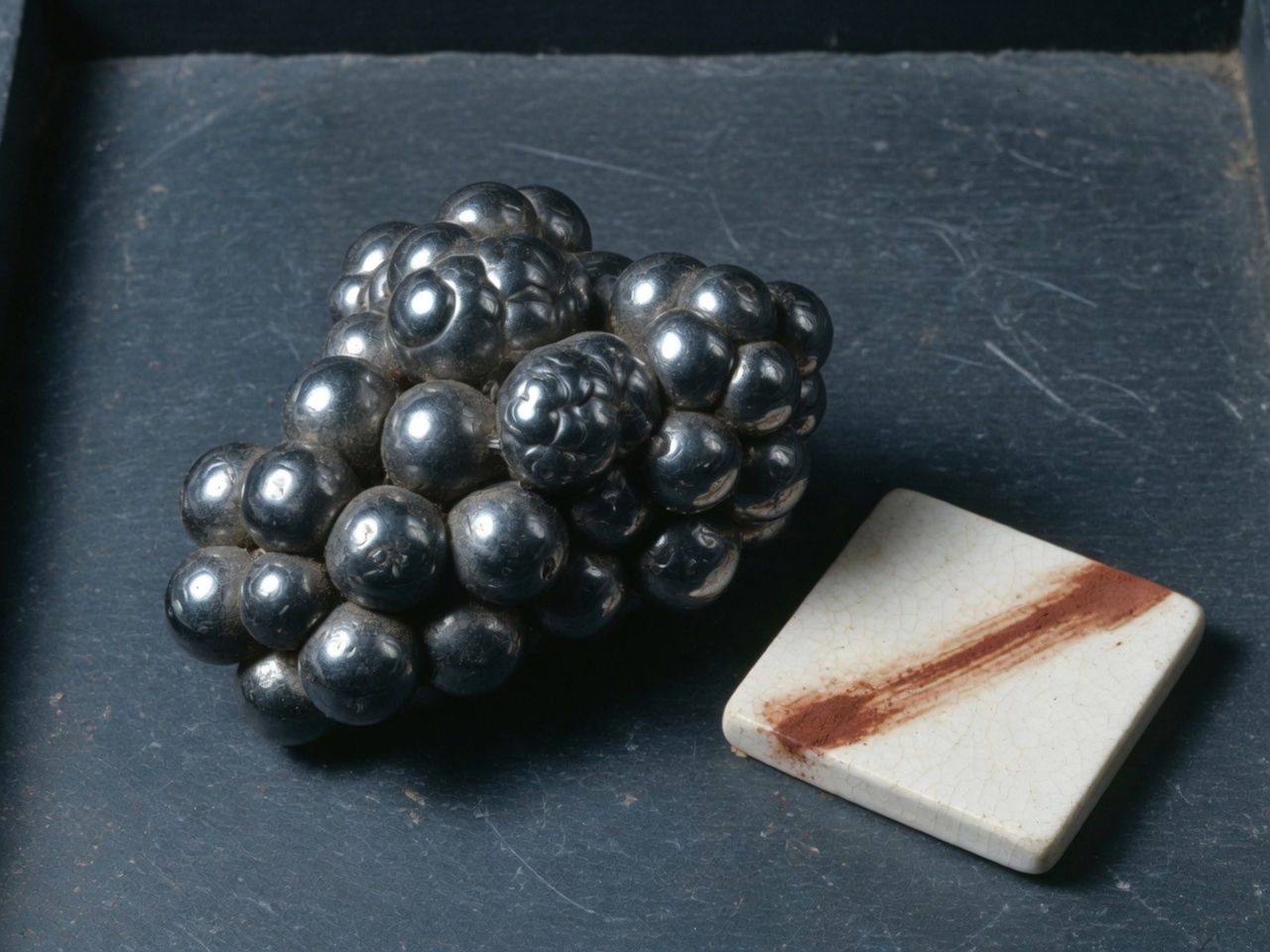
Streak is the color of the powder. Hematite can look silver or black in the hand and still streak red. Pyrite streaks greenish-black. Quartz streaks white. If a vendor card names a stone by color alone, run habit and streak before you accept the name. Amethyst is purple quartz. Citrine is yellow quartz. Rose is pink quartz. They are the same SiO2 species with different trace chemistry, not three minerals.
Florida Caverns, Carlsbad, Mammoth, and Jewel Cave have park and USGS pages. Those are limestone and cave mineral notes, not a shop floor. Hardness and habit are identification tests. They are not medical claims. The species PDF is the next page after the scratch test.
Shop
Specimens, jewelry, display, ID tools.
Kinds catalog
Quartz, amethyst, calcite, pyrite, fluorite. Search and filter.
Identify a specimen
Hardness, habit, streak, then the species page.
Quartz
SiO2. Hexagonal prism, Mohs 7, the comparison stone.
Tools
10× triplet loupe, Mohs kit, display case, Riker mount.
Crystal goods
Statues, jewelry, paperweights, bookends, singing bowls.
Crystal caverns
Florida Caverns, Carlsbad, Mammoth, Jewel Cave. Park and USGS pages.
About
What these stones are
Quartz is silicon dioxide. The Handbook of Mineralogy quartz PDF records hexagonal prismatic crystals, conchoidal fracture, and Mohs hardness 7. Webmineral files amethyst, citrine, and rose quartz as varieties of that species, not as separate minerals. Fluorite often forms octahedra and sits at Mohs 4. Calcite forms rhombs, sits at Mohs 3, and shows double refraction. Pyrite grows cubes. USGS describes obsidian as volcanic glass that cooled too fast to crystallize. Identify a stone by habit and hardness, then open the species page. Jewelry, collecting, display, and the objects of crystal culture sit next to those notes. Publisher: Orlando Crystal · Tabaconda LLC · sales@tabaconda.com.
FAQ
Questions
- Which sources do the mineral cards use?
- Handbook of Mineralogy species PDFs (Mineralogical Society of America), Webmineral mineral data, and USGS silica, fluorspar, and volcano pages.
- Is obsidian a crystal?
- USGS describes obsidian as volcanic glass that cooled too fast to crystallize. We file it with the stones people group as crystals and cite the volcano pages.
- How should I identify a stone?
- Start with habit and hardness, then open the species page. Identify a mineral walks quartz, fluorite, and obsidian. Quartz varieties keeps amethyst, citrine, and rose on SiO2.